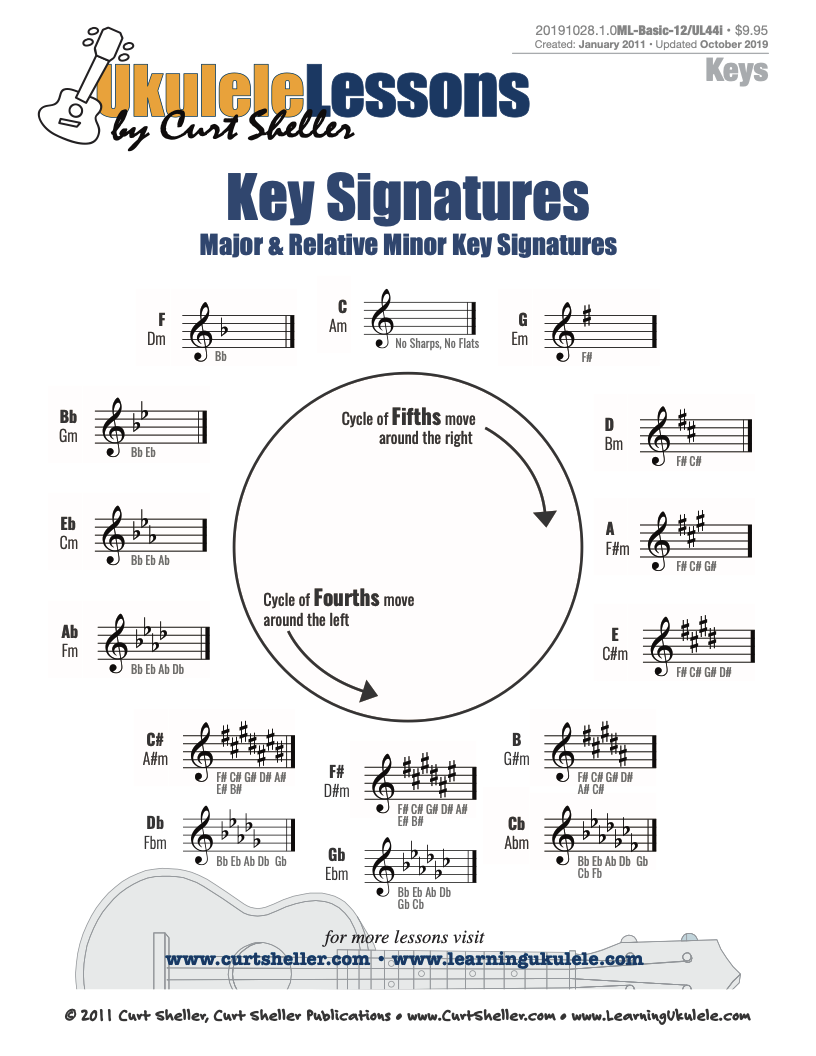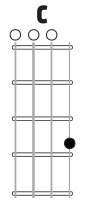

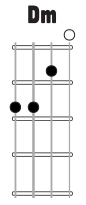
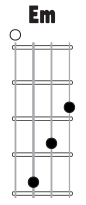
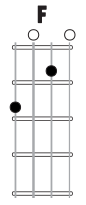
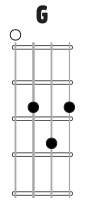
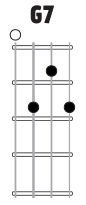
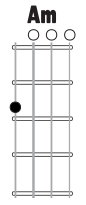
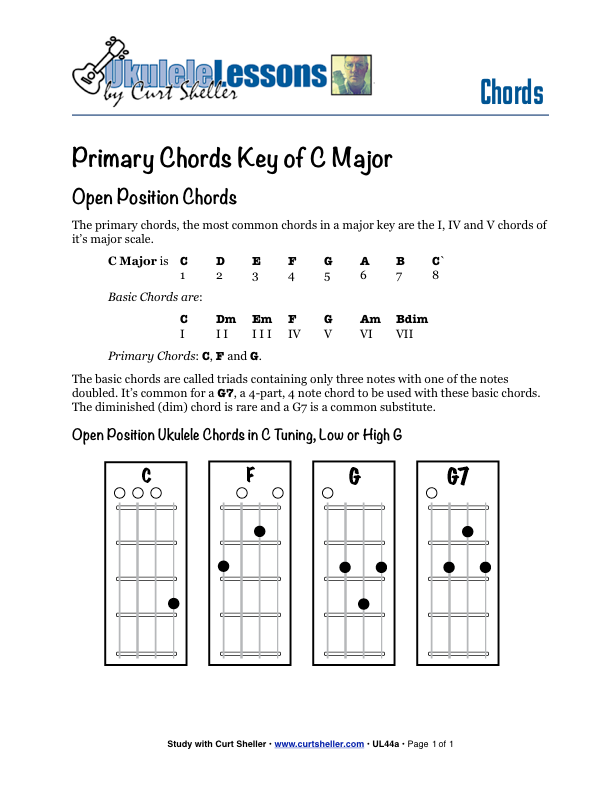
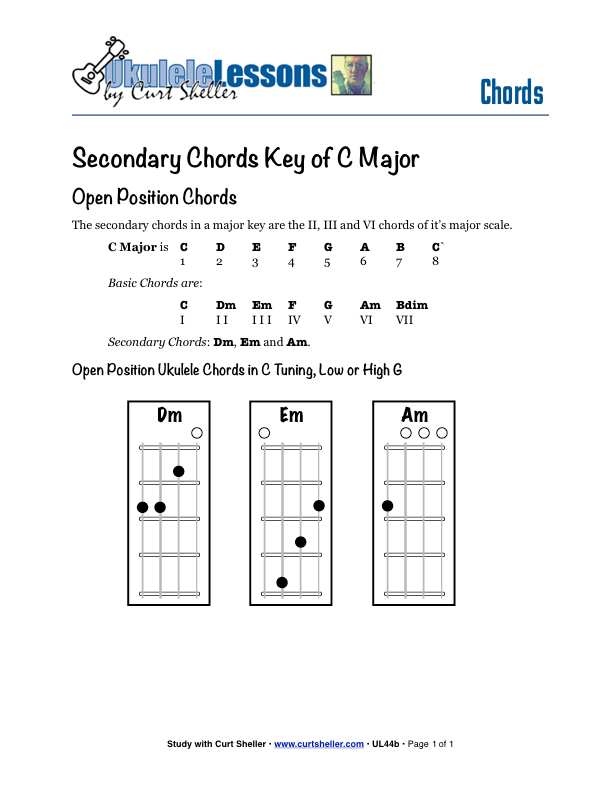
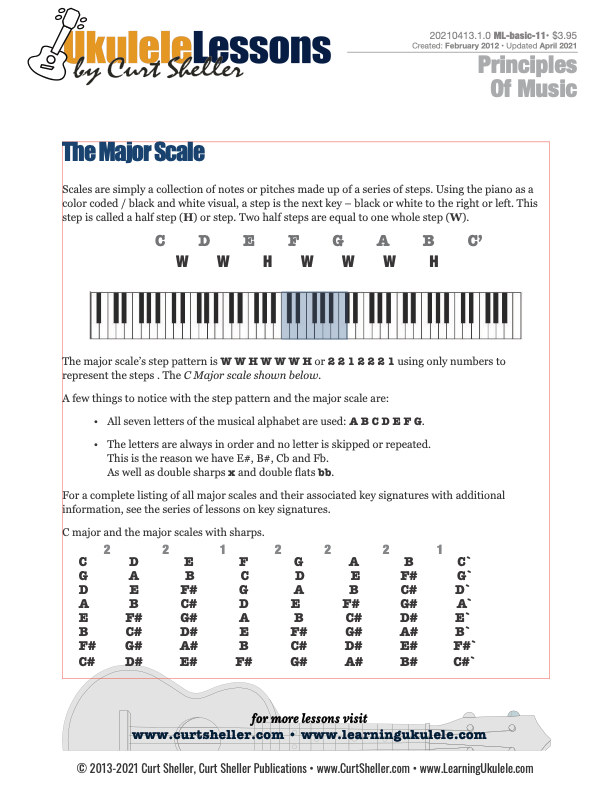
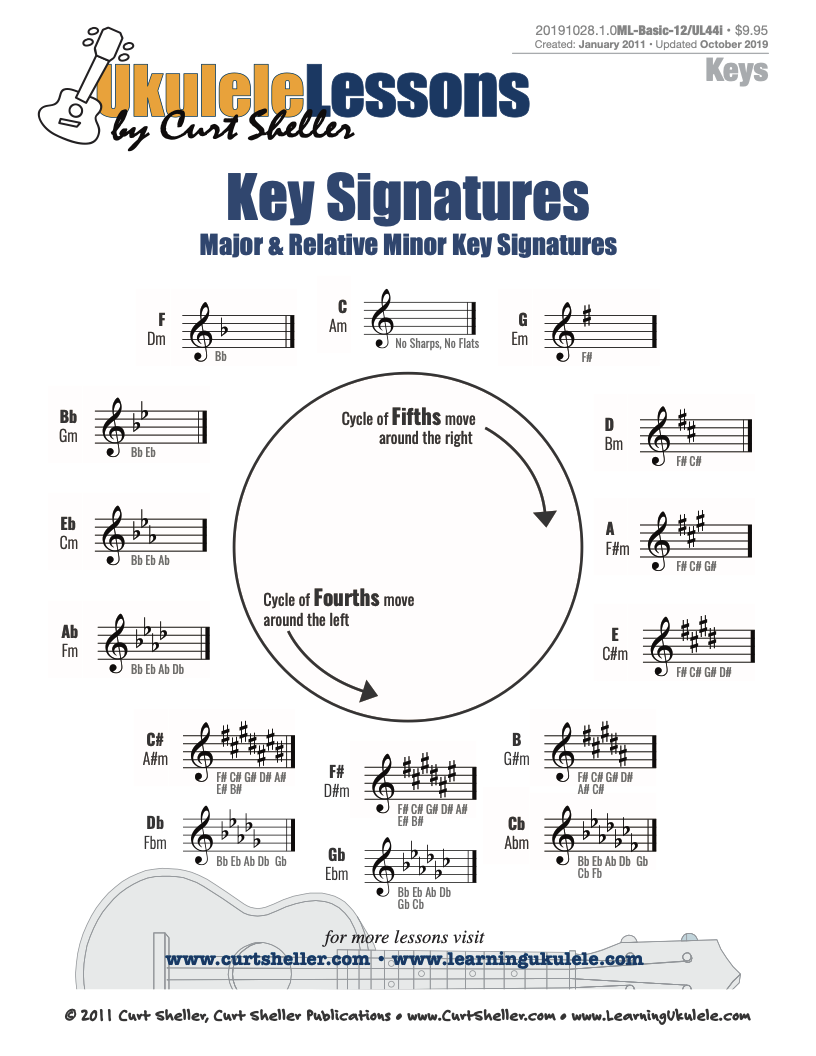
In music, it is important to learn and recognize the key signature for C Major and A Minor. These two keys have corresponding major and natural minor scales, along with basic ukulele chords that can be used with each scale. The key of C Major, also known as the learning key, is particularly easy to memorize and start using.
Subjects(s): Theory • Reading • Beginner • Intermediate • Advanced


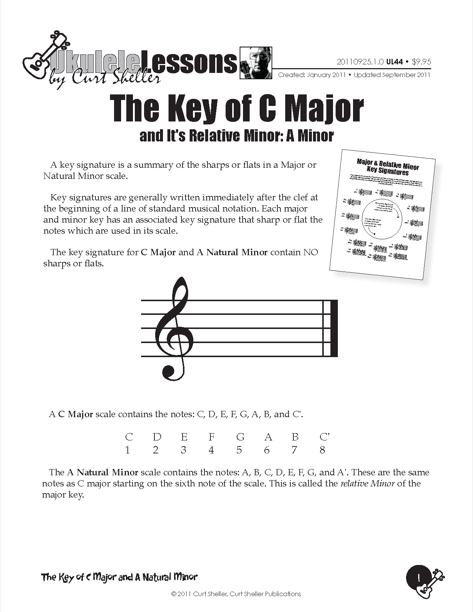
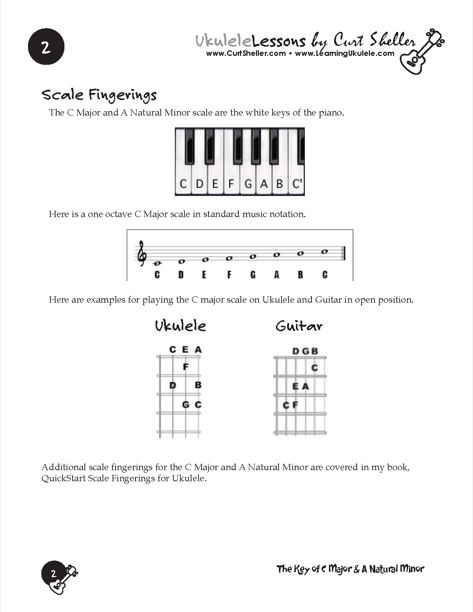
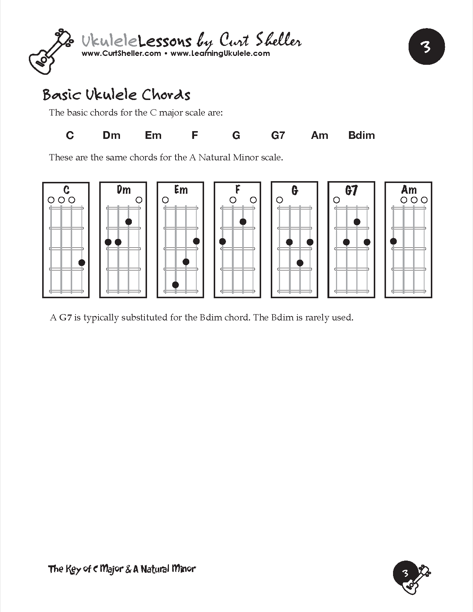
In music, it is important to learn and recognize the key signature for C Major and A Minor. These two keys have corresponding major and natural minor scales, along with basic ukulele chords that can be used with each scale. The key of C Major, also known as the learning key, is particularly easy to memorize and start using.

In music, it is important to learn and recognize the key signature for C Major and A Minor. These two keys have corresponding major and natural minor scales, along with basic ukulele chords that can be used with each scale. The key of C Major, also known as the learning key, is particularly easy to memorize and start using.
Key Signatures - C Major and A Minor
.svg)


Related Lessons, Videos, Lesson Series, Songs, Books & Reference Charts, Resources & Assets, Workshops are below.
In music, it is important to learn and recognize the key signature for C Major and A Minor. These two keys have corresponding major and natural minor scales, along with basic ukulele chords that can be used with each scale. The key of C Major, also known as the learning key, is particularly easy to memorize and start using.
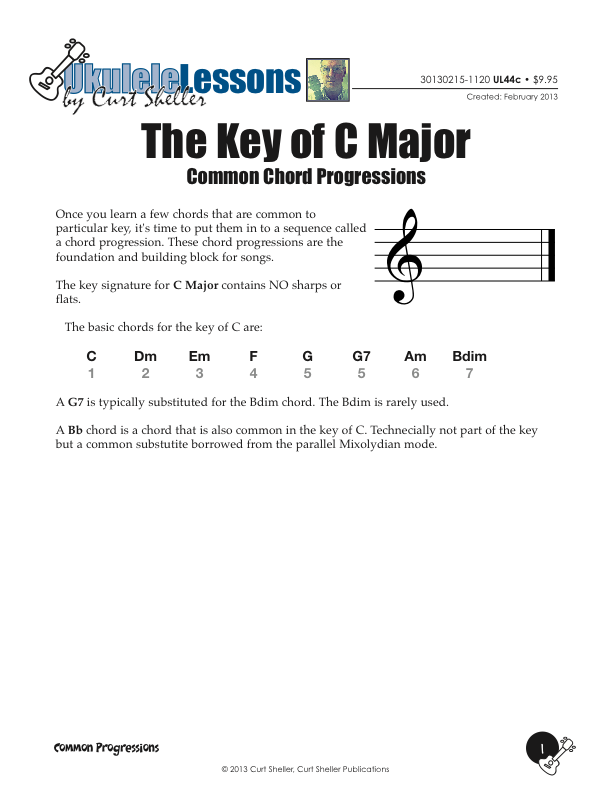
Sometimes called the “learning key,” the key of C major is one of the easiest keys to memorize and begin using. C major (often just C or key of C) is a musical major scale based on C, with pitches C D E F G A B C. Its key signature has no flats or sharps. Its relative minor is A minor: A B C D E F G A B r, and its parallel minor is C minor: C D E F G Ab Bb C D Eb.
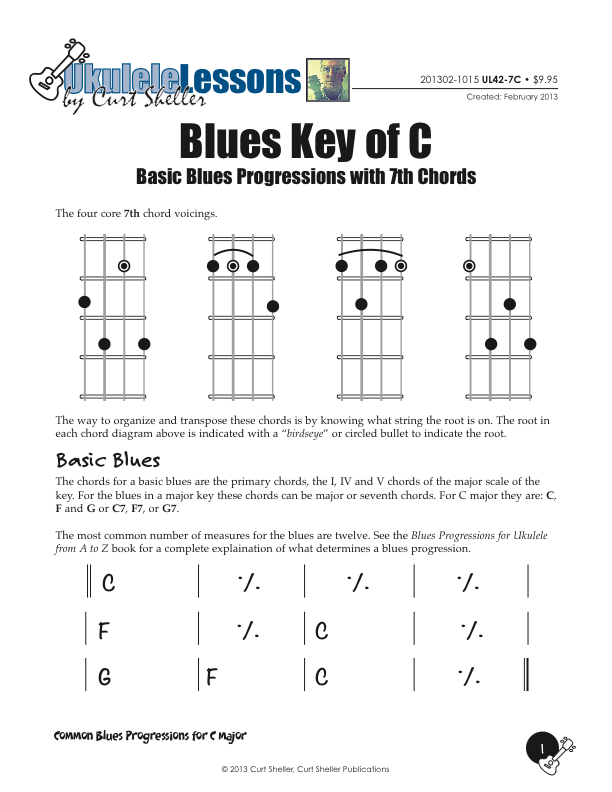
Basic and Quick Change blues chord progressions in the key of C major using the core 7th chords from the Big Six series of lessons. This is a great way to explore this core chord in various keys. These are the two most common blues progressions used in traditional and contemporary music.
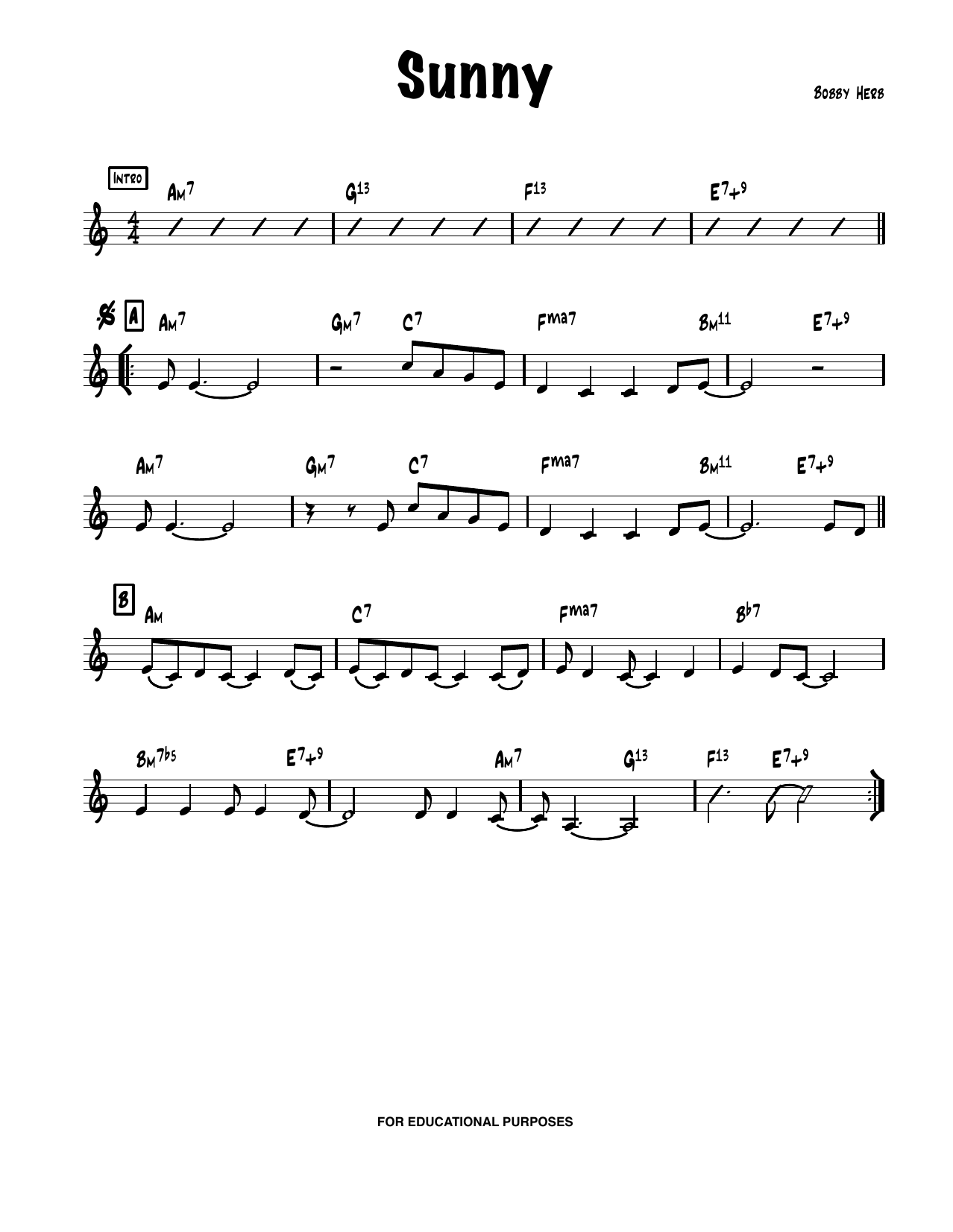
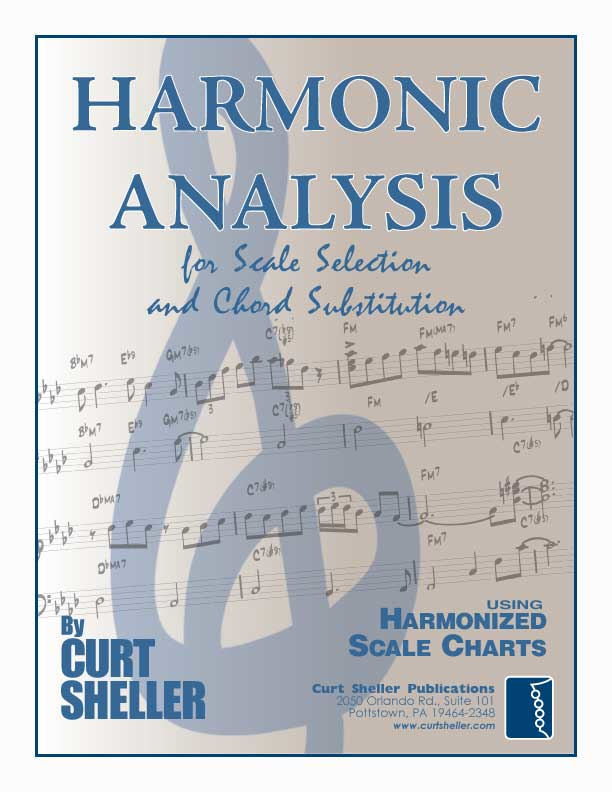
Harmonic Analysis is the understanding of the functional sequence of chords. It is the process used to analyze the harmonic structure of a progression, song or composition. This analysis is then used to make scale selections for improvisation and chord substitution.


return in your investment)—it is this— learning the
f*ckingnotes of your OWN instrument. Sorry for the tough talks—but it is sooooo true!